
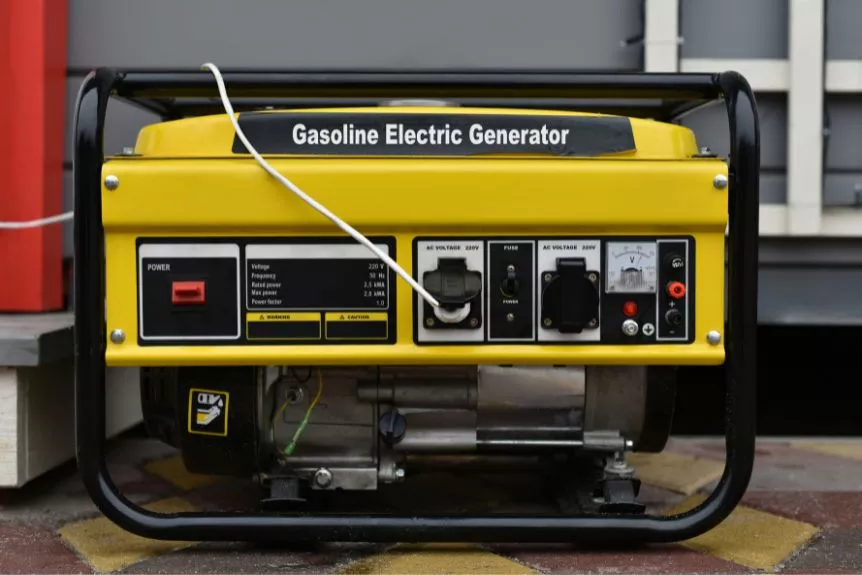
Maintaining your diesel or gasoline generator is crucial for its performance and durability. You may already be aware of the basic checks like oil levels and fuel quality, but have you considered the significance of load testing? Understanding how load testing plays a role in your generator's maintenance routine can be the key to ensuring its reliability when you need it most.
Importance of Regular Maintenance
Regular maintenance of diesel and gasoline generators is crucial for ensuring their optimal performance and longevity. By taking the time to regularly inspect and service your generators, you can prevent unexpected breakdowns and costly repairs. Neglecting maintenance can lead to decreased efficiency, increased fuel consumption, and even complete generator failure when you need it most.
When you stick to a maintenance schedule, you keep your generators running smoothly and efficiently. This means you can rely on them during power outages or when working on remote job sites. Regular maintenance also helps to extend the lifespan of your generators, saving you money in the long run by avoiding premature replacements.
Investing time and resources into maintaining your diesel and gasoline generators now will pay off in the future. It's much easier and more cost-effective to prevent issues through regular maintenance than it's to deal with the consequences of neglected equipment. Remember, a well-maintained generator is a reliable generator.
Essential Oil and Filter Checks
Ensuring proper oil and filter checks is essential for the maintenance of diesel and gasoline generators. Regularly checking the oil level and quality is crucial to keep your generator running smoothly. Low oil levels or dirty oil can lead to increased friction and heat, potentially causing damage to the engine components. Therefore, it's important to follow the manufacturer's guidelines on oil type and change intervals.
Additionally, inspecting and replacing the oil filter is vital to prevent contaminants from circulating through the engine. A clogged or dirty oil filter can restrict oil flow, leading to poor lubrication and possible engine failure. By routinely checking and replacing the oil filter as recommended, you can ensure proper filtration and extend the life of your generator.
Fuel System Inspections
To maintain optimal performance in your diesel or gasoline generator, conducting regular fuel system inspections is imperative. Start by visually examining the fuel lines for any signs of leaks, cracks, or wear. Check the fuel filters for clogs or contaminants that could affect fuel flow. It's crucial to inspect the fuel tank for rust, sediment buildup, or water accumulation, as these can lead to engine issues. Additionally, ensure that the fuel cap is sealing properly to prevent debris from entering the system.
During your inspection, pay attention to the fuel quality and age. Old or contaminated fuel can cause starting problems and damage the engine over time. Consider using fuel stabilizers or additives to maintain fuel freshness and performance. If you notice any issues during the inspection, address them promptly to prevent more significant problems down the line. By staying proactive with fuel system maintenance, you can prolong the life of your generator and ensure reliable operation when you need it most.
Cooling System Maintenance
Inspecting your generator's cooling system regularly is essential to ensure optimal performance and prevent overheating issues. The cooling system plays a critical role in maintaining the generator's temperature within safe operating limits.
Start by checking the coolant level in the radiator and ensuring there are no leaks. Low coolant levels can lead to overheating and potentially damage the engine. Additionally, inspect the radiator and cooling fins for any dirt, debris, or corrosion that could impede airflow. Clean these components carefully to maintain proper cooling efficiency.
It's also crucial to inspect the hoses and belts connected to the cooling system for any signs of wear or damage. Replace any worn-out parts to prevent them from failing unexpectedly and causing the generator to overheat.
Lastly, don't forget to examine the radiator cap for a proper seal to maintain the system's pressure levels. By conducting these routine inspections and maintenance tasks, you can keep your generator's cooling system in top condition and ensure reliable performance when you need it most.


